
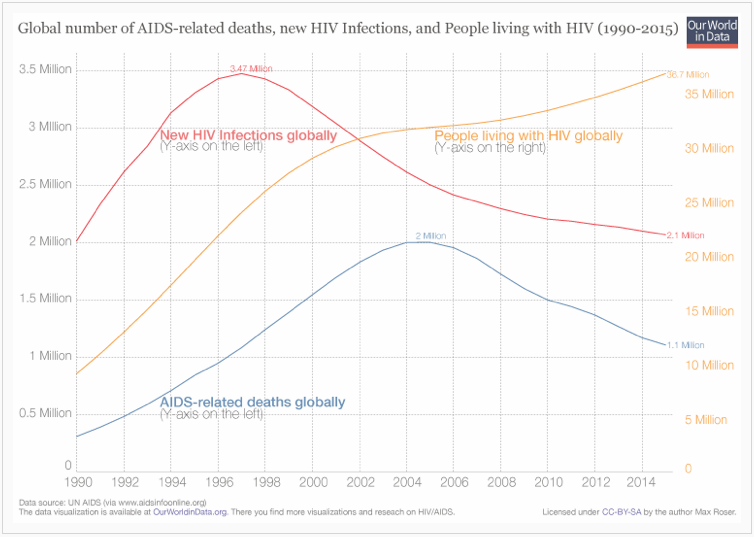
35 million deaths from AIDS world wide
51 percent of deaths of males from the ages 25-44 were the result of the AIDS epidemic in New York City.
20,000 deaths in San Fransisco since 1981
30 people a week died in San Fransisco by 1992
1.1 million people in the US live with HIV.
One of them is Daniel Layman, a retiree and former activist now spending his days with his husband in a gay community in Florida.
“90 percent of the people I know who were positive in the 1980s are now gone,” Layman said over the phone.
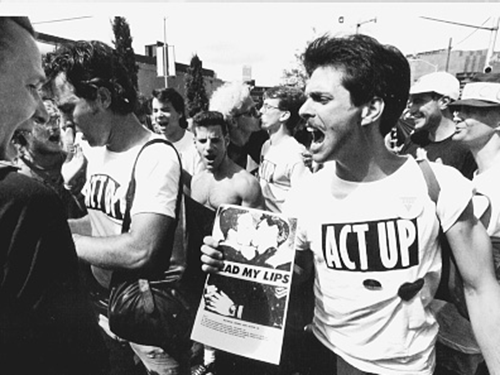
Layman is a man familiar with loss. He lost partners and friends alike in the AIDS crisis, and loss was the growing expectation from the mid 1980s onward as America, and the LGBTQ community in particular, had to grapple with the new growing crisis.
The crisis did not come in a flash, it did not sweep the nation all at once and it was not indiscriminate. AIDs was thought in the beginning to be “geographically bounded,” said Layman who at the start of the crisis was living in Chicago.
While the first cases of AIDs in the US were found in 1981 in New York City and San Fransisco even a full year later in Chicago no one was talking about AIDs in or outside of the LGBTQ community.
The year after, some in Chicago started recognizing the issue, however the concern was limited mostly to elderly gay men and travelers. At the time younger people weren’t believed to be susceptible to AIDS.
While panic reached different areas at different times by 1985 a full awareness had begun to sink in. However awareness didn’t come with immediate answers, let alone solutions.
“There was no protocol,” Layman said. “How long are you going to live, do you tell anyone?”
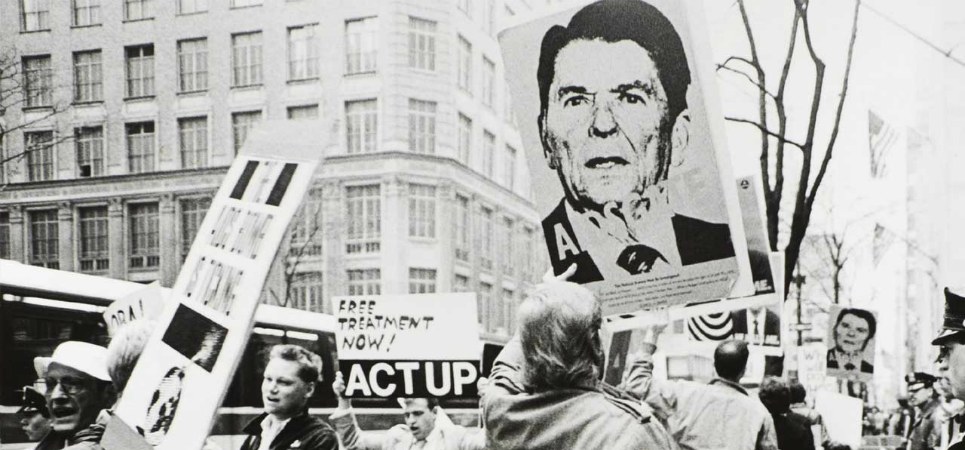
It was around this time that Layman and his partner at the time, Rob, both became aware that they were also infected with HIV.
It wasn’t particularly difficult, even without testing, to figure out whether or not you were infected. Many at the time would trace back relationships and the relationships of those they had relationships with.
Exes and the exes of those you were currently in relationships with often became friends. These continued close ties would make it quickly apparent who had become infected and whether or not you had become infected as well, as was the case with Layman and Rob.
“Within six months of Rob and I moving in together Eric, Rob’s ex, who was 23 at the time had come down with AIDS,” Layman said. “Eric was diagnosed, so Rob and I both assumed that we both must be positive. Though I didn’t get tested myself until ’88.”
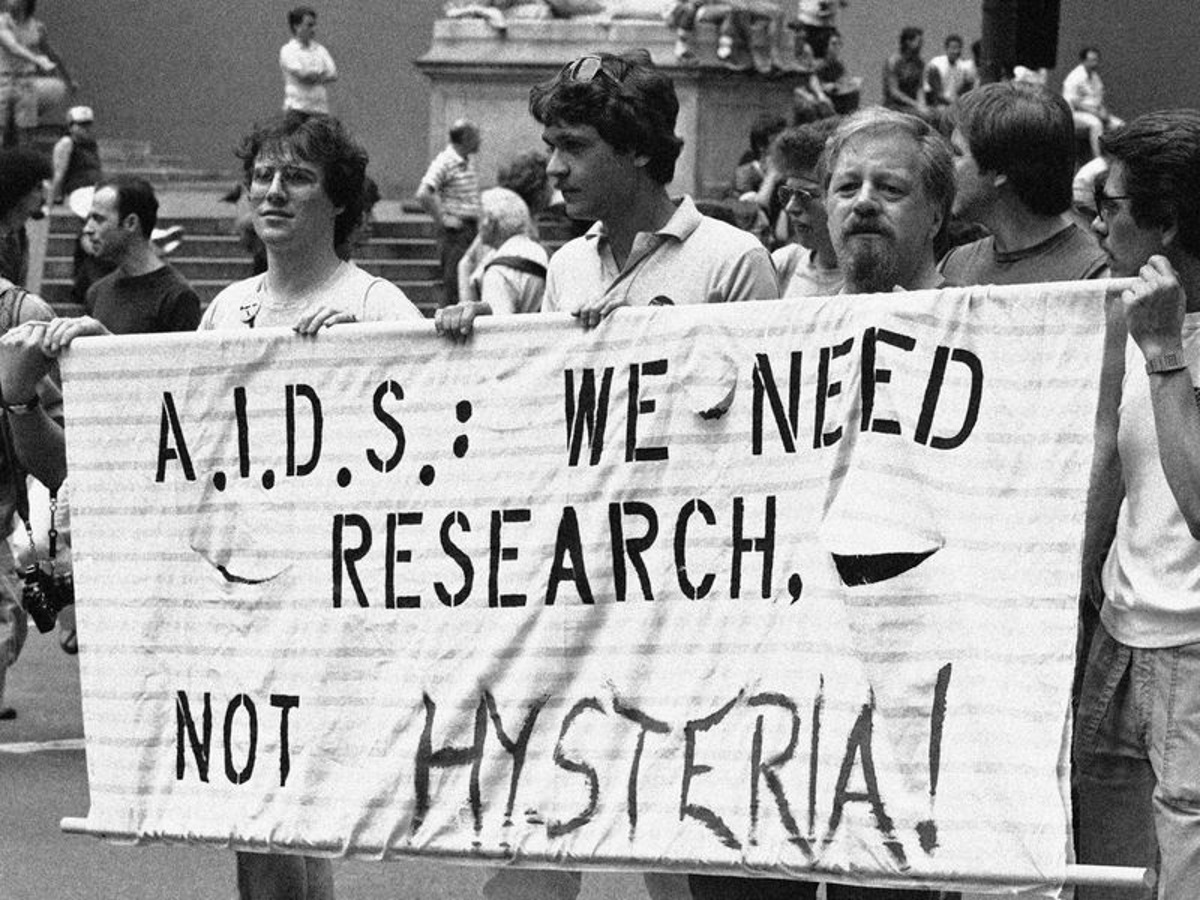
Certain practices and attitudes that were common at the time spread the infection at a much greater rate than it might have today.
Even as late as 1985 rarely did people have protected sex, Layman said. Condoms at the time were largely seen as a means to prevent pregnancy and their application as an STD preventive was not seen as necessary until AIDS had become an obvious threat within your own geographic community.
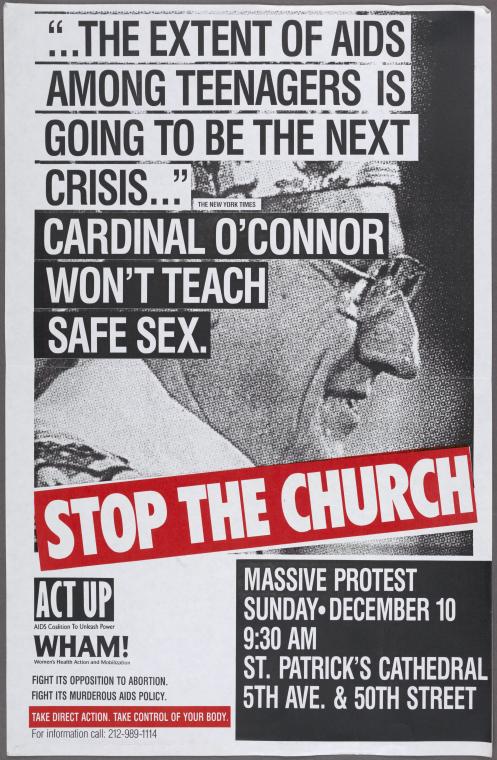
Religious institutions like the Catholic Church also hindered the use of contraceptives and actively stood against programs which could help victims.
“The Arch Diocese of Chicago was very powerful at the time and they prevented the city from employing proper AIDS education and prevented anything that might suggest condom use,” Layman said.
“The Cook County Hospital which was politically controlled by the head of the County board, George Dunne,” Layman said. “He was an Irish Catholic man and awful homophobe. He did whatever the diocese told him and they didn’t even want an AIDS ward in the hospital.”
“My friend Ron Sable ran for alderman and eventually, along with a straight doctor, founded the Sable/Sherer which treated AIDS,” Layman said. “It was later that I found out that Ron too had AIDS and eventually died from it a few years later.”
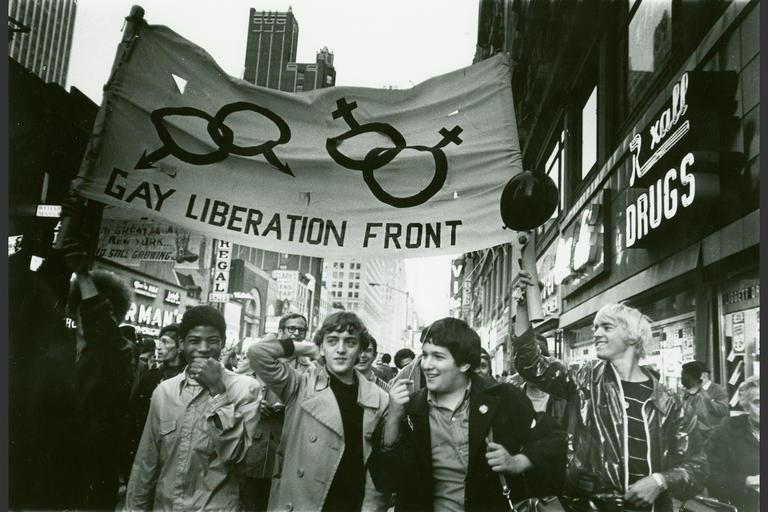
Many within the LBGTQ community felt “ostracized from hetero-normative culture,” Layman said. Relationships within the LGBTQ community often concerned a multitude of partners in short periods of time.
Monogamy often wasn’t fully embraced by the gay community in the years leading up to the AIDS crisis. Many LGBTQ activists from the 1960s through the 1970s advocated for sexual revolution and the spirit of this advocacy continued until AIDS made the revolution life threatening.
While not inherently negative practices, along with the infrequent use of contraceptives, it created more fertile ground for an infection like AIDs to spread.
Testing wasn’t something many people sought to have done even if they saw early signs of infection in themselves. Through much of the 1980s, through most of the country, there were no anti-discrimination laws protecting LGBTQ people. Having AIDs was sign on your back broadcasting your sexuality to your employer at a new zenith of homophobia and general discomfort toward LGBTQ people.
This further contributed to the infections fatality rate as many refused testing and in turn refused care and treatment. However that lack of treatment was a blessing for some as early treatment was not only often ineffective but also made later successful treatments ineffective as well.
AIDS darkest years were 1993 to 1995, fatality rates were high and many were still becoming infective. However this is also the period where some of the first successful treatments were found.
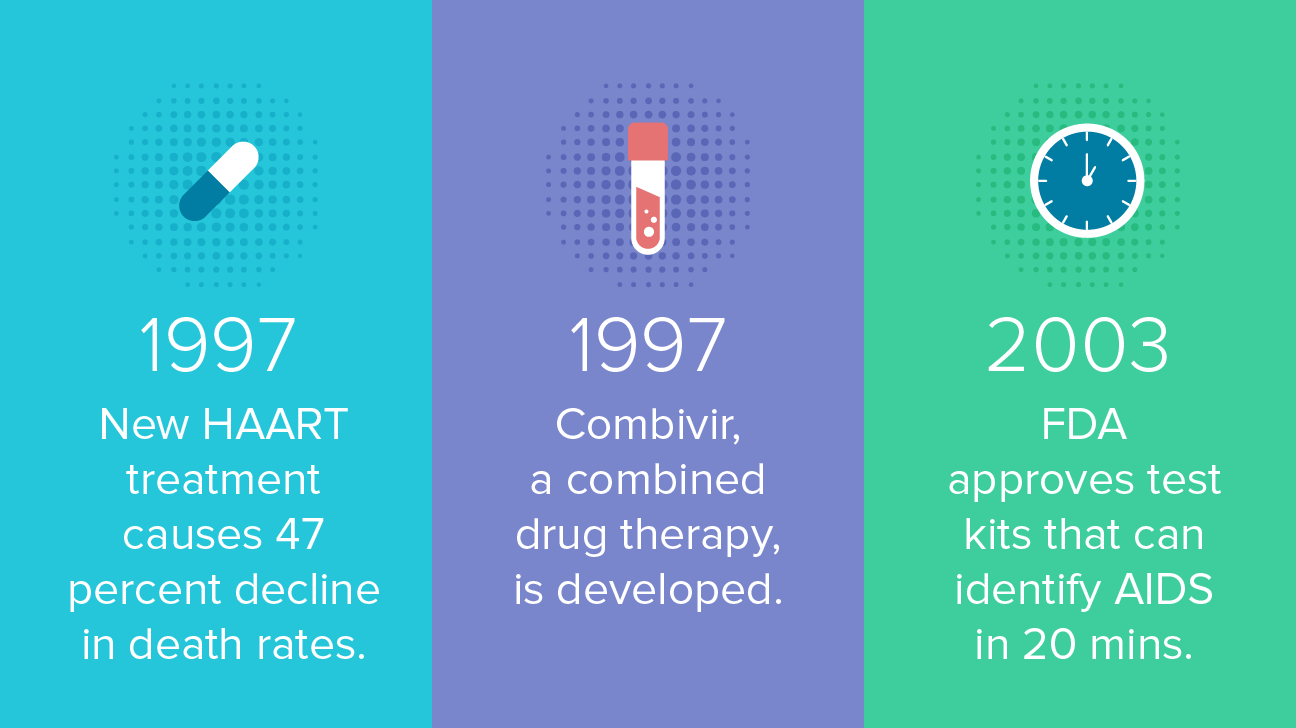
Finding treatment and being treated successfully “came down to timing, location, luck, as well as who you knew,” Layman said.
As devastating as AIDS was for the LGBTQ community it also served as its phoenix. AIDS organized the largest gathering of activists for LGBTQ issues by making those issues “life or death” Layman said.
“There would be no gay marriage if it weren’t for AIDS,” Layman said.
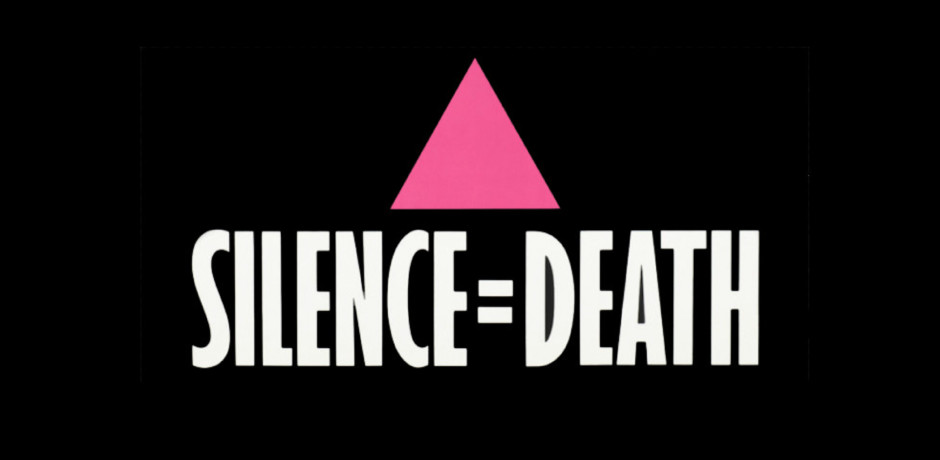
AIDS pushed people out of the closet and into activism, fighting for their lives and in many cases solely the lives of others when they knew they had little of theirs left.
As much as the AIDS crisis created a new wave of fear and homophobia it also engendered empathy from those with gay friends, family member, and coworkers who were dying in front of them. It forced people to confront how many people they knew who were not straight but something other than their norm.
AIDS Crisis Timeline
1970s
Fake last names are used in LGBTQ spaces out of fear of being exposed to family, friends, and coworkers
Police raids of gay bars are still common and names are often published in papers from raids.
LGBTQ culture is slowly becoming accepted and increasingly seen as cool
1981
AIDs cases are discovered first in New York and shortly after in San Fransisco.
1982
The issue of AIDs is incredibly regional. No one in Chicago is worried about AIDs in ’82, there is no discussion about AIDs outside of New York and San Fransisco LGBTQ communities.
1983
People paying closer attention to the situation start to become concerned about the AIDs crisis in cities outside of New York and California
Younger people at the time were not believed to be vulnerable to AIDs and HIV
1985
Nationwide awareness begins
Older people and travelers are the first to become widely concerned
There is still no protocol as to how to react to the crisis, how to prevent it, how to deal with it if infected
1988
Dukakis presidential campaign gains support of the LGBTQ community which hates Reagan.
Dukakis accepts this support secretly as his campaign does not want it publicly known that the LGBTQ community supports him.
1993-’95
Widely seen as the darkest days of the AIDs crisis
Many people within the LGBTQ community become infected
Many who are infected unable to receive life sustaining help due to past medications reducing their effectiveness
 The Albany Observer