In large part thanks to activists, like Daniel Layman, but also thanks to those in the medical field who worked tirelessly to develop drug cocktails and other medicines which sustained would be AIDS victims, turning them into survivors.
As important as the medical science itself are the resource centers which have allowed patients to safely and privately procure the help they need in a less public and more comfortable way than the experience they might have going elsewhere.
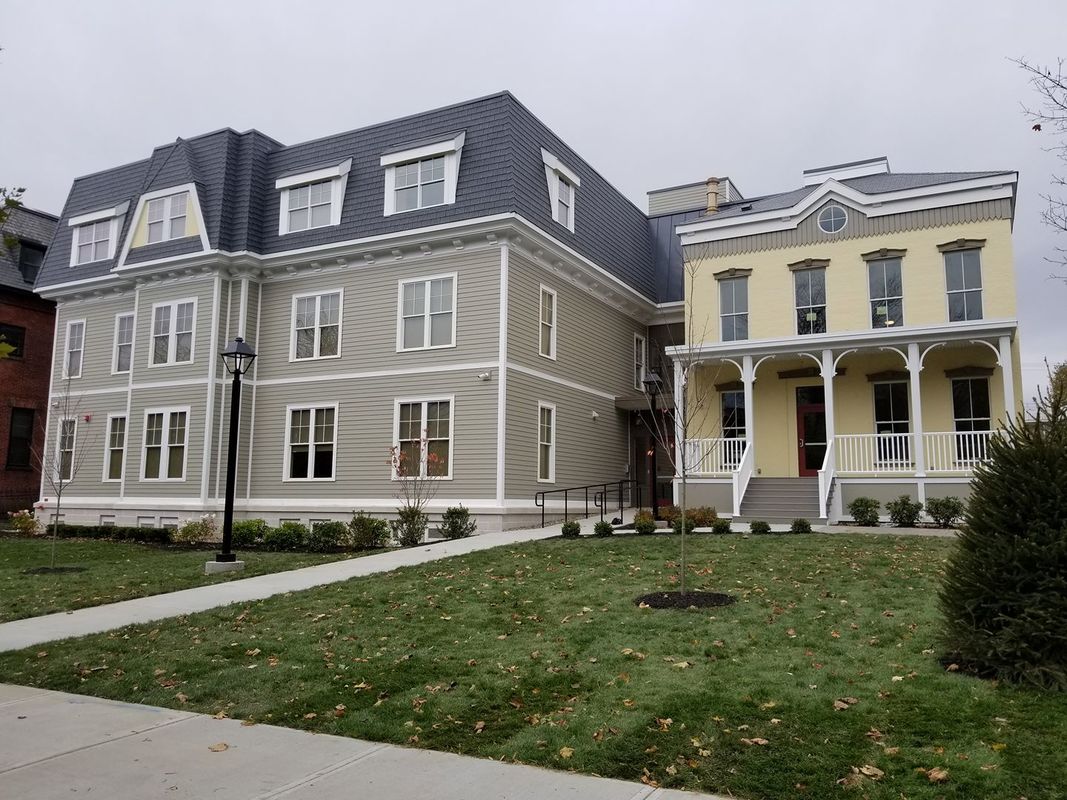
The building the Damien Center moved into in 2017 –728 Madison Ave, Albany, NY 12208
Resource centers such as the Albany Damien Center. Formed in 1988 as a part of a Capital District Episcopal Churches ministry, along with others in the capital region hoping to contribute, the Damien Center has long history with the capital region community with a focus on the experience of those who seek the help they need.
Though started by religious groups in the capital region the Damien Center itself is secular and inviting of any and all religions.
The Damien Center goes beyond simply providing people with the resources they need and proper testing, they strive “to enhance the lives of people affected by HIV/ AIDS in an affirming environment and to reduce new infections in the communities we serve,” as can be read in their mission statement.
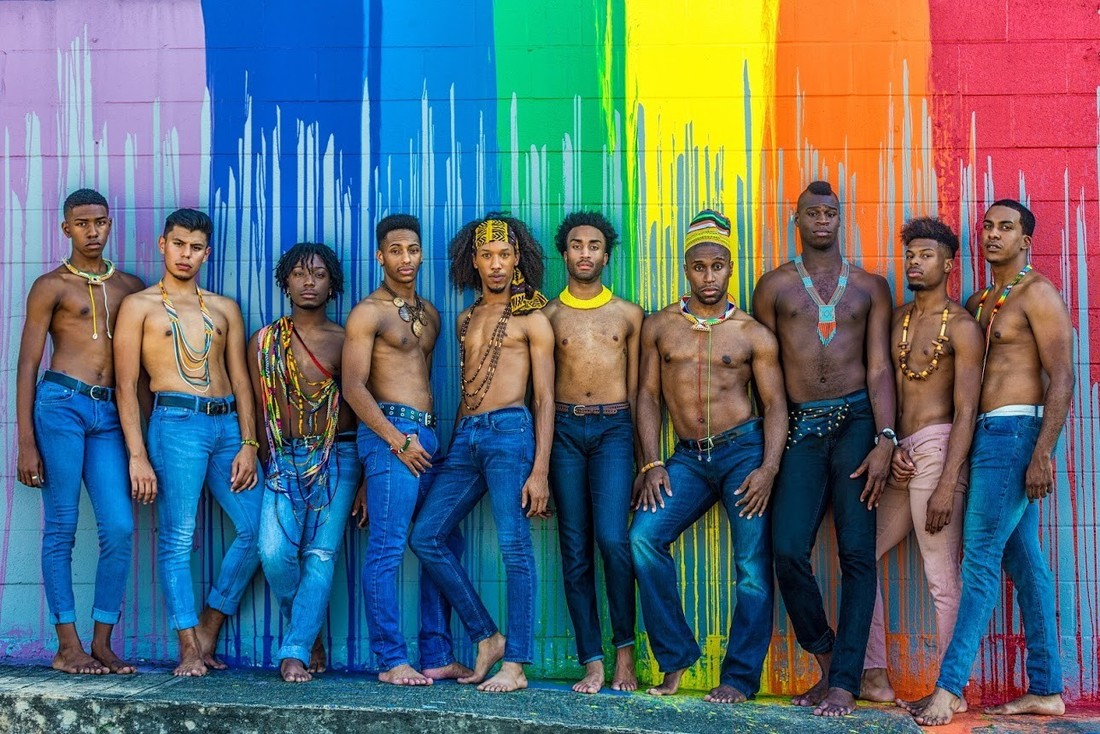
Used in the Damien Center’s “mPower” campaign which promotes LGBTQ youth of color
One of the Damien Center’s primary goals, and the goals of many resource centers like it, is the anonymity of the people who come to them for their help. While much progress has been made in the last 30 years, both in the LGBTQ community and in medical sciences and life expectancy for HIV/ AIDS patients, discrimination is still a concern for those seeking help for the infection.
Not everyone is afraid or reluctant to talk about their experiences with it, but others may be and the Damien Center respects this to the upmost.
The resource center offers a variety of different services for those living with HIV, including some that may at face value seem simplistic such as their drop-in living room. A space curated to present anyone affected by HIV with a communal space where they can engage with others in similar situations or with programs designed to provide counseling, education on the infection, along with different forms of therapy.
The Damien Center Community Relations Manager, Samuel C. Roods, mentioned over the phone that one of the programs the Damien Center is most excited about is their “U=U” or “I am U” campaign. “U=U” which stands for undetectable equals untranslatable referee to an advancement in HIV medicines which has allowed for those who are HIV+ to be undetectable as such, though it does not cure or remove the virus.
This being undetectable helps people living with HIV to live less effected lives as being undetectable means that HIV will no longer harm their immune system or be transmittable to their partners after six months of being undetectable.
It is seen as a major step forward for those living with HIV and is a program the Damien Center is very anxious to promote.
The Damien Center is focussed on promoting identities that people generally see with stigma, those living with HIV/ AIDS of course included, but also LGBTQ youth of color as well.
“Mpower” is one such program in partnership with ROCKS, a local gay bar, which brings young gay, bi, and trans youth of color into accepting, sex positive spaces, with the goal of HIV education and prevention, while also offering monthly social events which could potentially offer aid in other ways to LGBTQ youth and better bring them together.
You can volunteer to help with the mPower program by contacting rramdass@albanydamiencenter.org
Roods also mentioned that a large number of the people the Damien Center works with are or have been at one time homeless. Many living with HIV find themselves in poor financial situations and without a home.
In a recent move to a new building in 2017, the Damien Center procured enough room to house “22 persons with HIV which have survived chronic homelessness,” as seen on their site. These apartments are attached to the rest of the facilities and provide onsite support to the people they house.
Whether it’s out of laziness, a lack of resources, or a genuine conviction misrepresent a subject or story, photos and images are often ripped from their original context and placed into a new one to either fill in gaps or tell a new narrative.
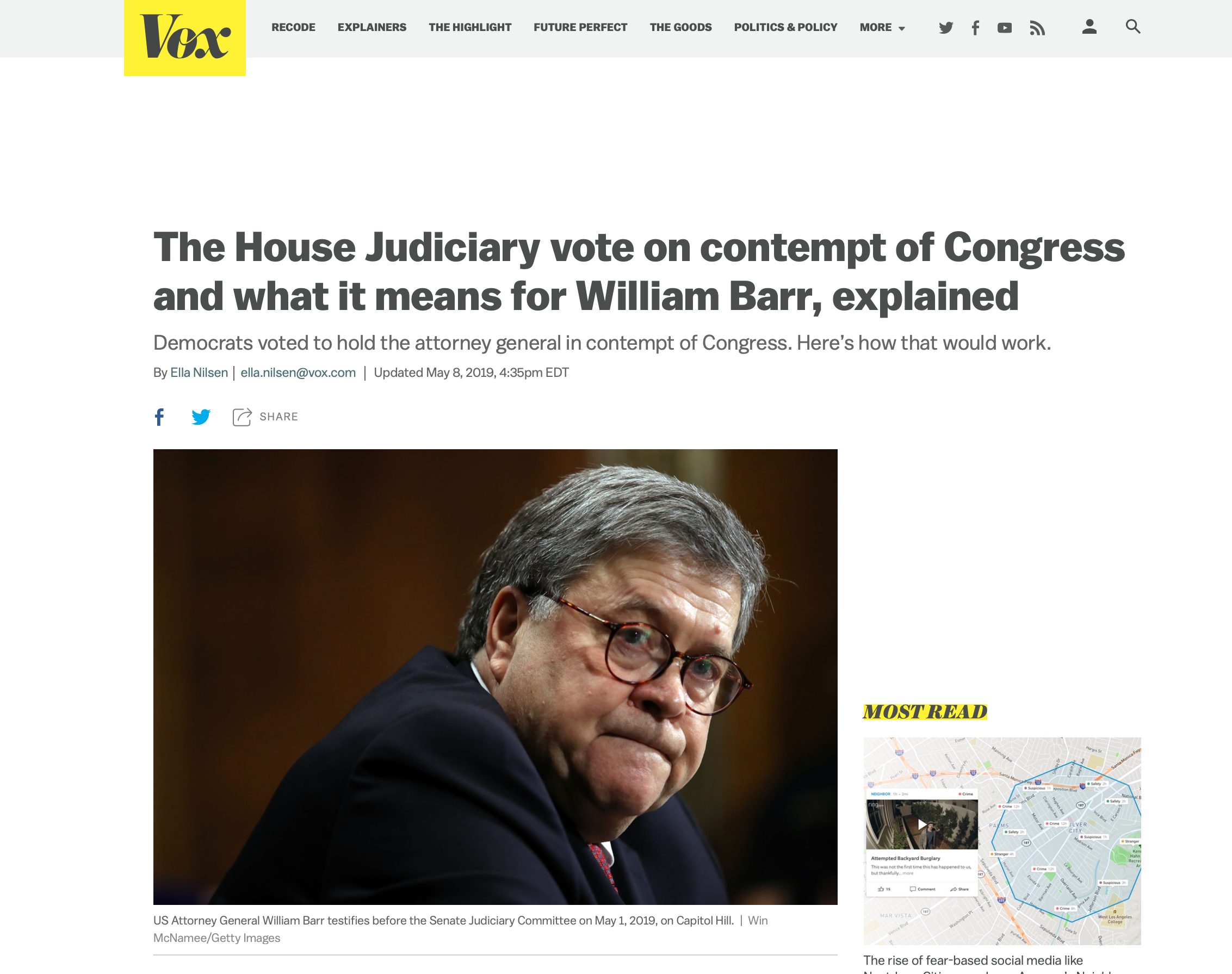
The former can often be excused if the proper attribution and context is used to explain where the photo came from and what it relates to like this example from Vox here—
This explains that the photo was taken on a separate date and occasion and what that occasion was. Its application also makes sense as the article is about William Barr, but Barr himself was not present at the House Judiciary vote.
The use of this photo from Breitbart is an example of the latter. Breitbart doesn’t really attribute where the photo is from. It shows that it’s from AP Images, but outside of that we get no additional context. The photo is often made to look more saturated, which deepens the features on Theresa May’s face making what looks like a fairly neutral face in AP’s version of the story look more like a scowl.
The photo is used and digitally manipulated, divorced from its original context, to drive Breitbart’s narrative of malice and failure by creating an unflattering image of the UK prime minister. The article paints her as a stubborn, failed PM, who is holding her party back and uses this photo from another even to put readers in the right mindset for their slant before they even read the lead.
Long after the internet has been established as a platform for news media, and longer still since news has integrated photography into their story telling, news writers and editors still struggle to trust the image and use it to its fullest potential opting instead to commit countless inter-semiotic redundancies making their readers experiences more cumbersome than necessary and leaving their writing less concise than it could be.
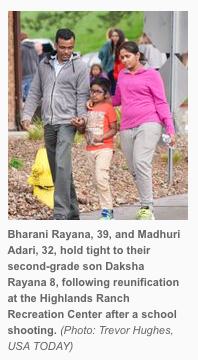
USA Today’s initial caption describes the action taking place in the photo. Simply removing this section and moving around a few names eliminates the inter-semiotic redundancy.
“Bharani Rayana, 39, and Madhuri Adari, 32, following reunification with their second-grade son Daksha Rayana, 8, at the Highlands Ranch Recreation Center after a school shooting.”
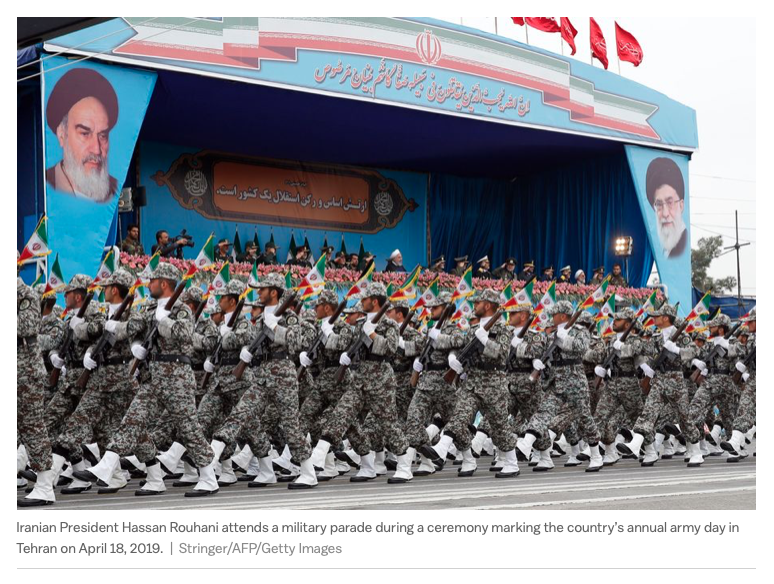
Vox reiterates much of what is made clear by the photo in the caption. It explains that the photo was taken in Iran, despite the Iranian flag being present —a symbol which should be well recognized from how often the country and its flag is in the media, mentions the military parade which is at the forefront of the photo, and mentions the presence of the Iranian president who is also a well recognized figure and should be intuited from other context clues in the photo such as his face being blown up on the left and right side of the stage.
“Annual army day in Tehran on April 18, 2019. Stringer/AFP/Getty Images”
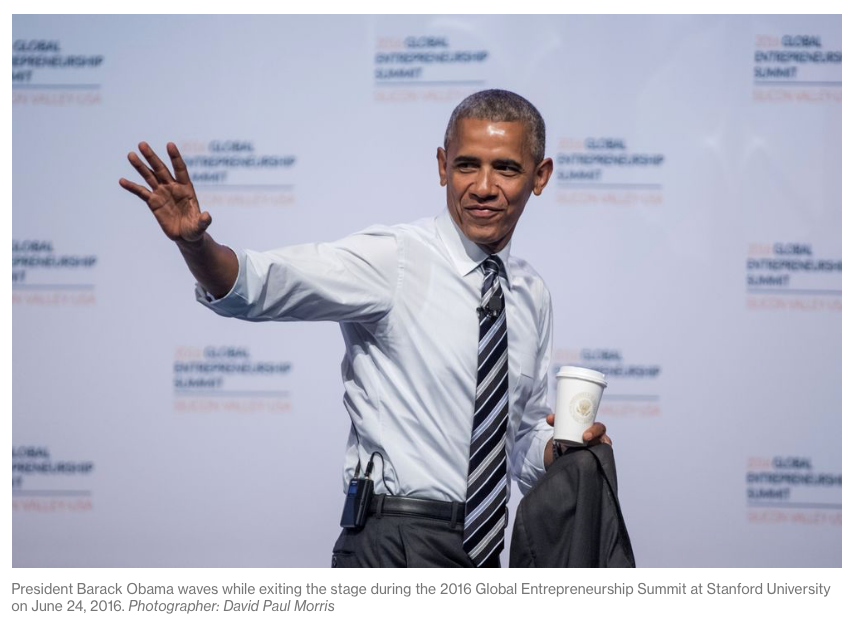
Bloomberg mentions the name of a well known world wide figure, President Obama, and describes his actions. The caption could easily be cut in half making it more concise and no longer redundant to the information already obvious from the image.
“2016 Global Entrepreneurship Summit at Stanford University on June 24. Photographer: David Paul Morris “
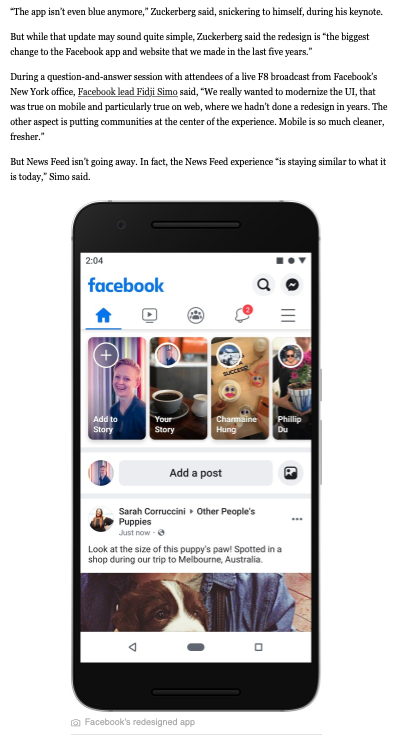
Digiday shows the redesigned app which the previous four paragraphs discuss. The caption “Facebook’s redesigned app” adds nothing to the story or photo and is entirely superfluous and unnecessary. The caption should simply be removed.
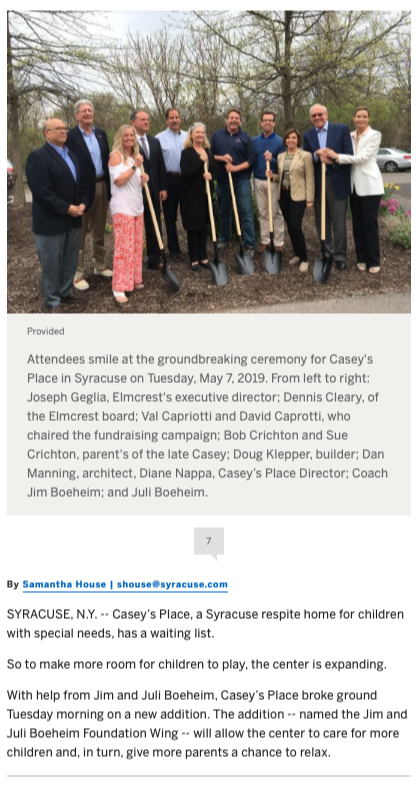
Syracuse.com (The Post Standard) presents redundant information across the photo, caption, and following paragraphs creating multiple forms of redundancies along with the inter-semiotic ones.
“Tuesday, May 7, 2019. From left to right: Joseph Geglia, Elmcrest’s executive director; Dennis Cleary, of the Elmcrest board; Val Capriotti and David Caprotti, who chaired the fundraising campaign; Bob Crichton and Sue Crichton, parent’s of the late Casey; Doug Klepper, builder; Dan Manning, architect, Diane Nappa, Casey’s Place Director; Coach Jim Boeheim; and Juli Boeheim.”
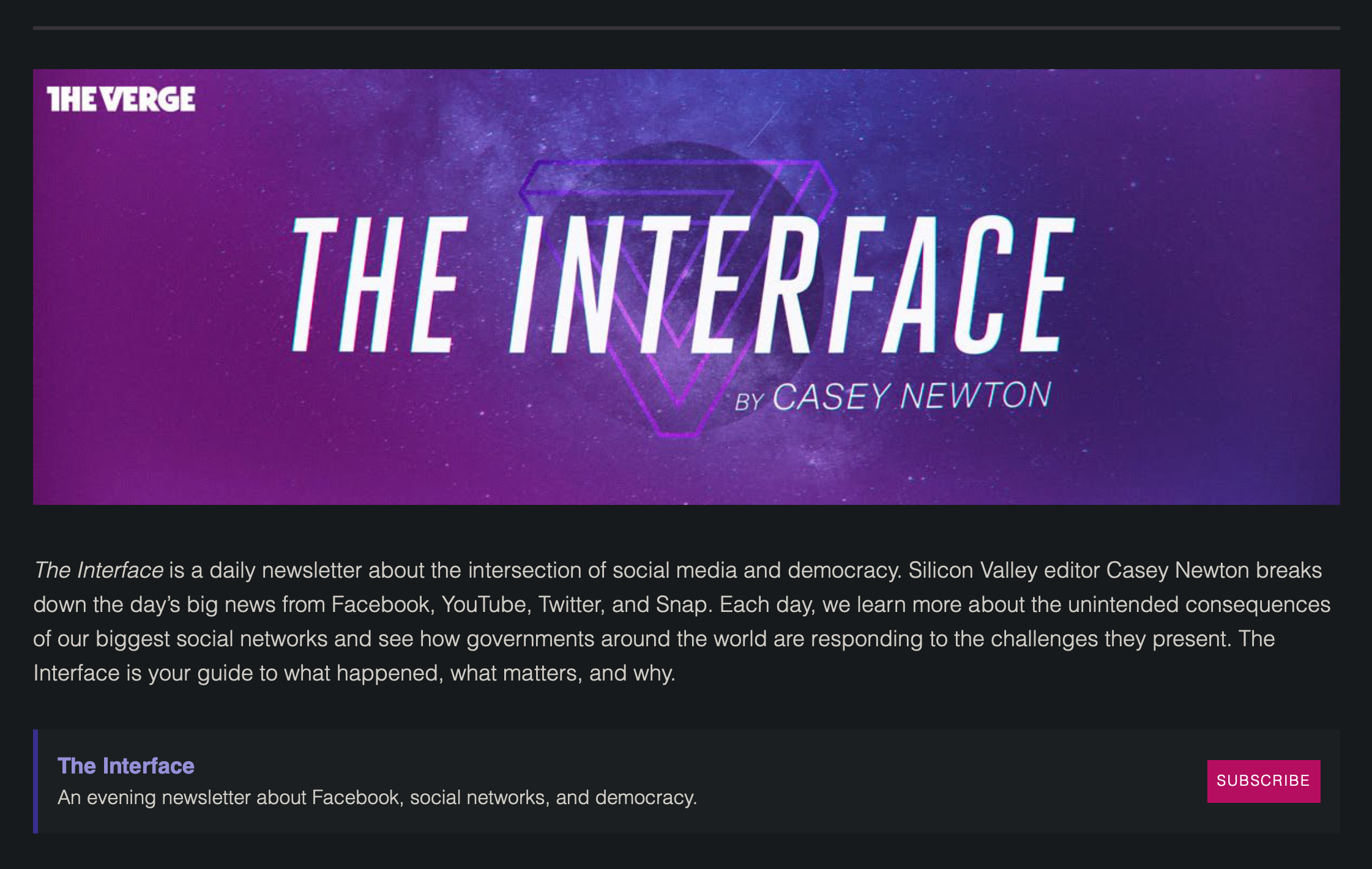
The Interface presented on The Verge’s “Newsletter” page
Casey Newton came to tech journalism to escape politics. Politics to Newton was a subject that often came with tension and pessimism, and that more often than not people actively avoided.
Newton joined The Verge in 2013 at a time when technology and gadget news actively drew people in with a sense of wonderment and optimism. He was attracted to the more positive energy of the subject, and wanted to write about something people would love to read about.
However 2016 changed the way we look at technology in a flash, in particular social media which was Newtons beat at the time. Politics became immediately integral to the story of our platforms, and Newton is once again at the forefront of what he came to The Verge to escape.
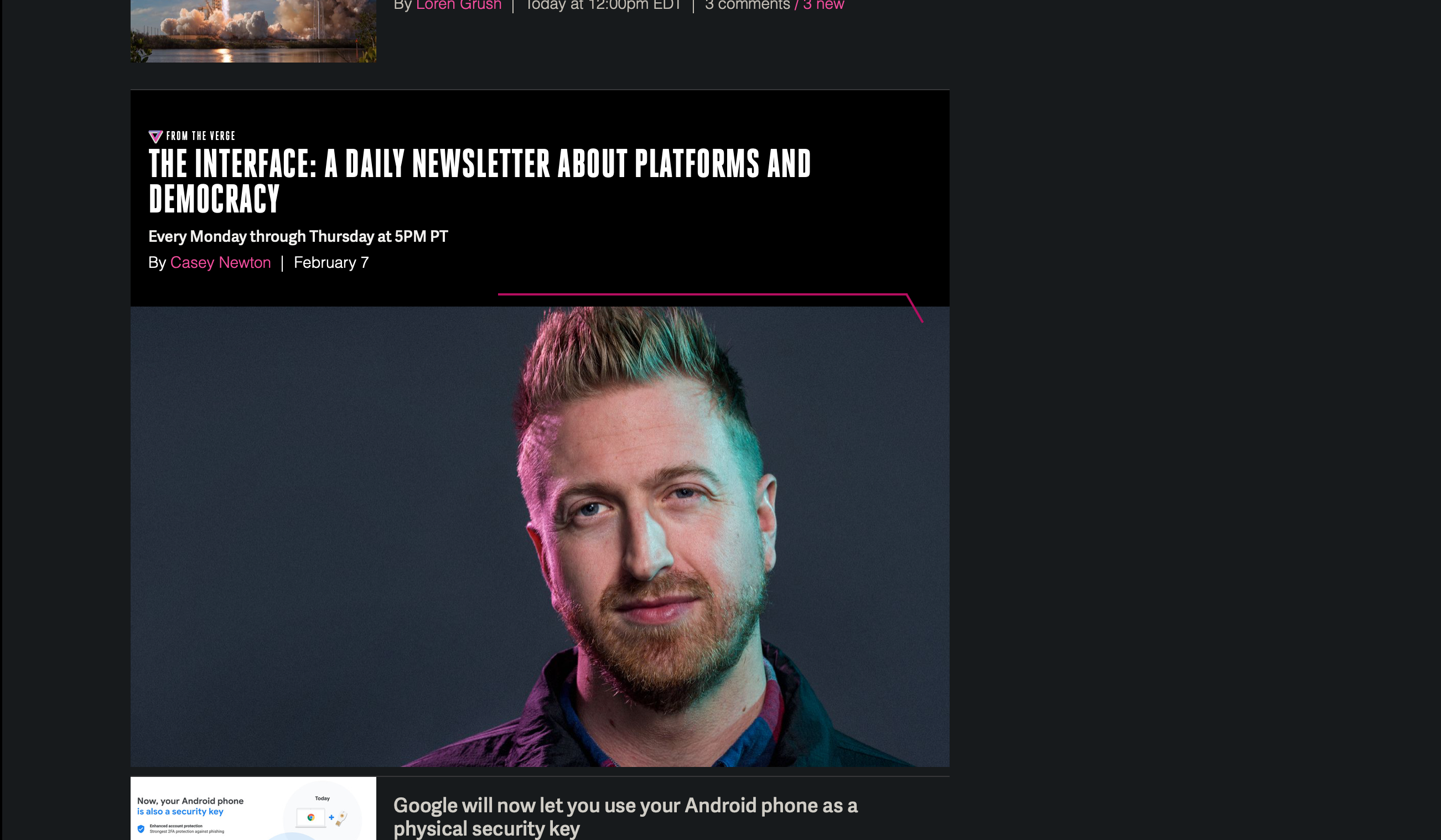
The Interface being advertised on The Verge’s front page
Now Casey Newton runs a Monday through Thursday newsletter dubbed The Interface. A newsletter which is advertised as being about “platforms and democracy,” cutting directly to the meat of the topics most vital discourse.
The Interface, by most visible signs and metrics, seems to be a success. It has had 313 issues as of this past Wednesday, it’s advertised on the front page of The Verge’s site, and Newton says he feels satisfied and comfortable with its performance and his output, more so than he did on past projects.
How The Interface made its initial traction is a story of simplicity and primarily internal advertising.
The Interface was initially advertised across The Verge’s different outlets and projects. It was mentioned across their line of podcasts such as The Vergecast which is made with some of the outlet’s most dedicated and longterm followers in mind, dressed in long running jokes that go back to the outlet’s earliest days.
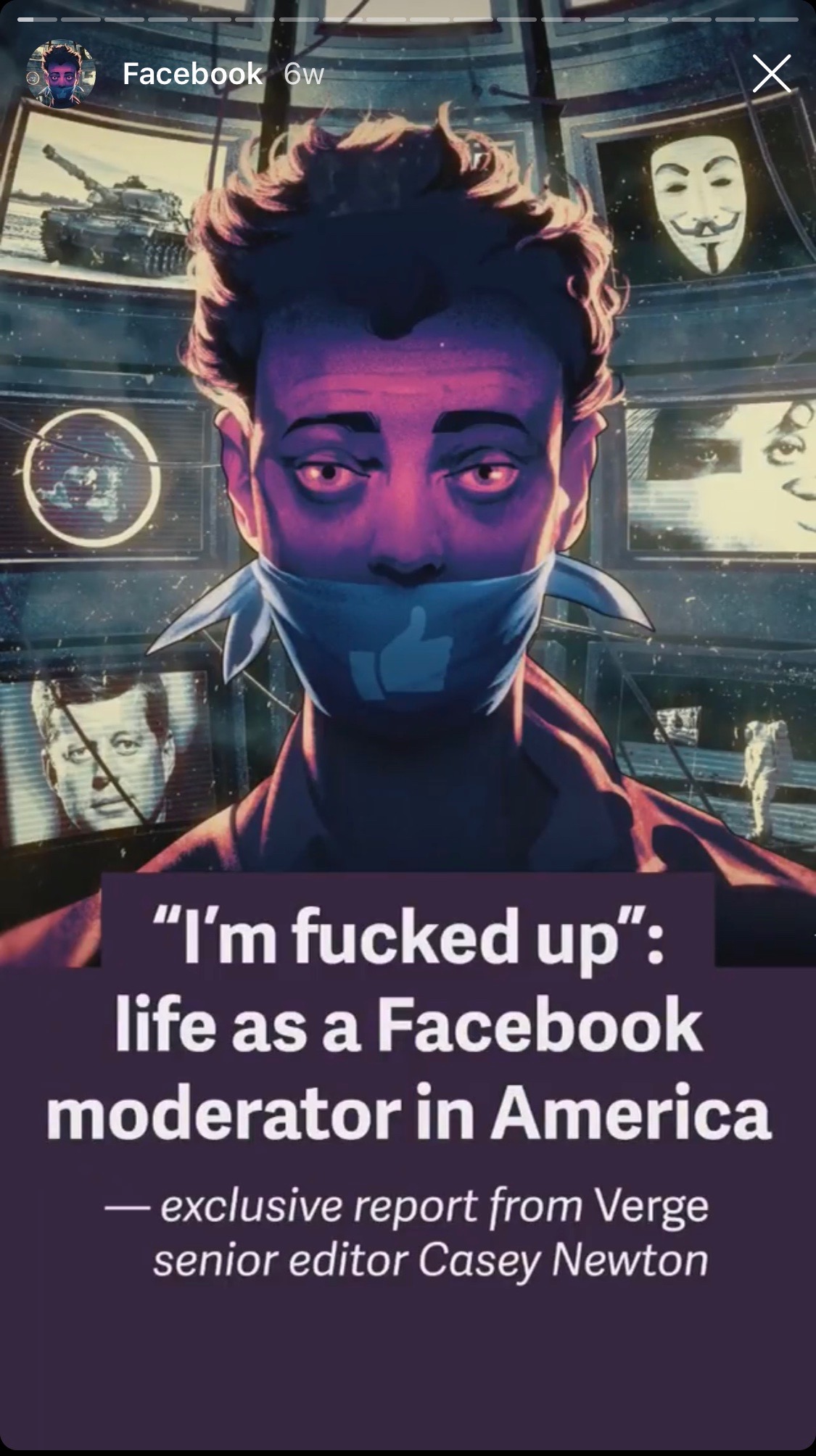
Casey Newton’s story being pushed in The Verge’s Instagram Story
It was pushed across their social media outlets, which go from Snapchat, to Instagram, to Twitter and Facebook. The Verge’s Facebook page has 3.5 million likes and followers, its Twitter has 2.5 million followers, and its Instagram account has 1.1 million followers.
Different platforms promote The Interface in different ways. On Instagram it is often promoted via sharing snippets of Newton’s stories through Instagram’s “Story” feature. Through twitter it’s simple links to stories, and on Facebook it’s the occasional rare direct link to the newsletter itself.
After a recent survey of his readership Newton discovered that while many found the newsletter through Twitter, one of the most common ways people found The Interface was through mentions and links across other newsletters, many of which weren’t affiliated with The Verge.
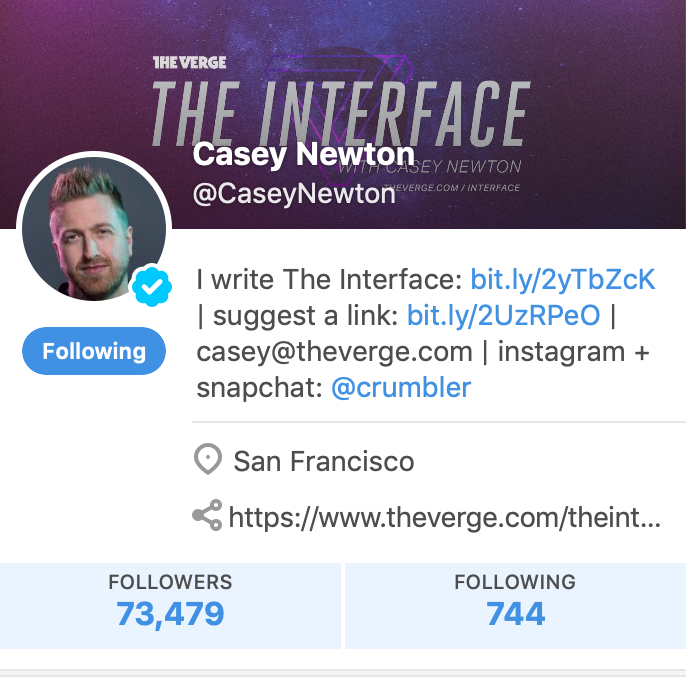
Casey Newton’s Twitter page which advertises The Interface in both his bio and cover photo
“It’s really easy to overthink branding,” Newton said. “It’s easier to cultivate expertise.”
“I try not to think of it [branding] in those terms,” Newton said. “Doing the work, making phone calls, and having a view are what’s important.”
This is primarily what Newton attributes his success to, and how he looks at building future success and audiences beyond the idea of branding.
Casey Newton has quickly become the authority on the subject of platforms and social media. He often gets to these stories first, and with the most depth and insight making him an incredibly valuable player in one of today’s most crucial stories. It has led to him gaining the respect of many others in the field along with his readership.
Daniel Layman’s experience with the LGBTQ community’s radical change for the sake of survival
35 million deaths from AIDS world wide 51 percent of deaths of males from the ages 25-44 were the result of the AIDS epidemic in New York City. 20,000 deaths in San Fransisco since 1981 30 people a week died in San Fransisco by 1992 1.1 million people in the US live with HIV. One of them is Daniel Layman, a retiree and former activist now spending his days with his husband in a gay community in Florida.
“90 percent of the people I know who were positive in the 1980s are now gone,” Layman said over the phone.
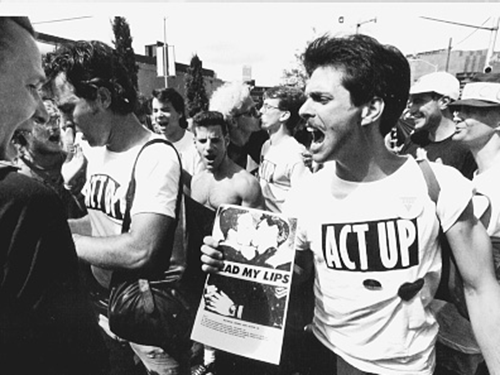
Act Up is a group of direct action advocates for those with AIDS who took part in radical protests in the 1980s
Layman is a man familiar with loss. He lost partners and friends alike in the AIDS crisis, and loss was the growing expectation from the mid 1980s onward as America, and the LGBTQ community in particular, had to grapple with the new growing crisis.
The crisis did not come in a flash, it did not sweep the nation all at once and it was not indiscriminate. AIDs was thought in the beginning to be “geographically bounded,” said Layman who at the start of the crisis was living in Chicago.
While the first cases of AIDs in the US were found in 1981 in New York City and San Fransisco even a full year later in Chicago no one was talking about AIDs in or outside of the LGBTQ community.
The year after, some in Chicago started recognizing the issue, however the concern was limited mostly to elderly gay men and travelers. At the time younger people weren’t believed to be susceptible to AIDS.
While panic reached different areas at different times by 1985 a full awareness had begun to sink in. However awareness didn’t come with immediate answers, let alone solutions.
“There was no protocol,” Layman said. “How long are you going to live, do you tell anyone?”
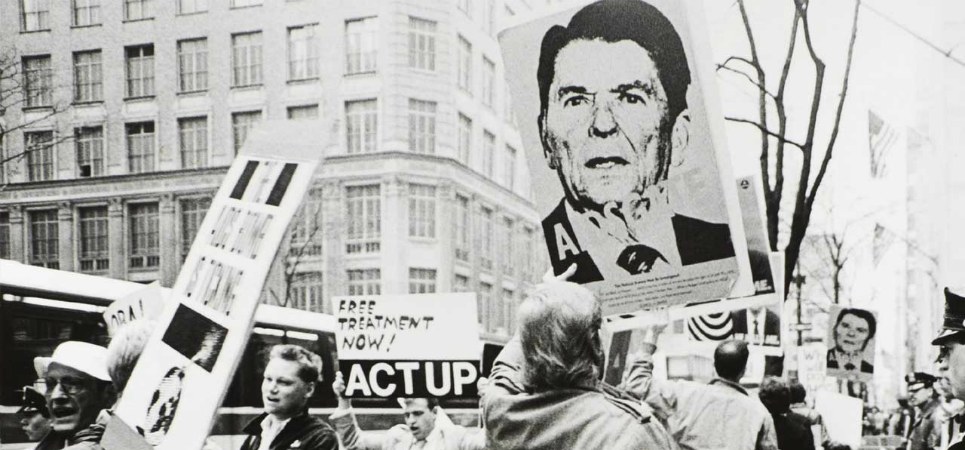
Ronald Reagan is infamous for his inaction during the crisis, the increasingly political LGBTQ community treated him with contempt and actively worked against him and his successor
It was around this time that Layman and his partner at the time, Rob, both became aware that they were also infected with HIV.
It wasn’t particularly difficult, even without testing, to figure out whether or not you were infected. Many at the time would trace back relationships and the relationships of those they had relationships with.
Exes and the exes of those you were currently in relationships with often became friends. These continued close ties would make it quickly apparent who had become infected and whether or not you had become infected as well, as was the case with Layman and Rob.
“Within six months of Rob and I moving in together Eric, Rob’s ex, who was 23 at the time had come down with AIDS,” Layman said. “Eric was diagnosed, so Rob and I both assumed that we both must be positive. Though I didn’t get tested myself until ’88.”
In the early to late 1980s very little research was done in the US, most of the research and development of this period happened in France
Certain practices and attitudes that were common at the time spread the infection at a much greater rate than it might have today.
Even as late as 1985 rarely did people have protected sex, Layman said. Condoms at the time were largely seen as a means to prevent pregnancy and their application as an STD preventive was not seen as necessary until AIDS had become an obvious threat within your own geographic community.
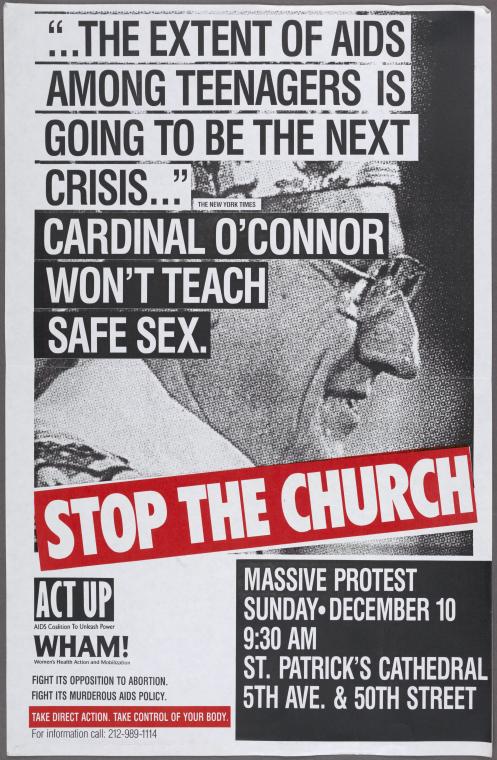
Religious institutions like the Catholic Church also hindered the use of contraceptives and actively stood against programs which could help victims.
“The Arch Diocese of Chicago was very powerful at the time and they prevented the city from employing proper AIDS education and prevented anything that might suggest condom use,” Layman said.
“The Cook County Hospital which was politically controlled by the head of the County board, George Dunne,” Layman said. “He was an Irish Catholic man and awful homophobe. He did whatever the diocese told him and they didn’t even want an AIDS ward in the hospital.”
“My friend Ron Sable ran for alderman and eventually, along with a straight doctor, founded the Sable/Sherer which treated AIDS,” Layman said. “It was later that I found out that Ron too had AIDS and eventually died from it a few years later.”
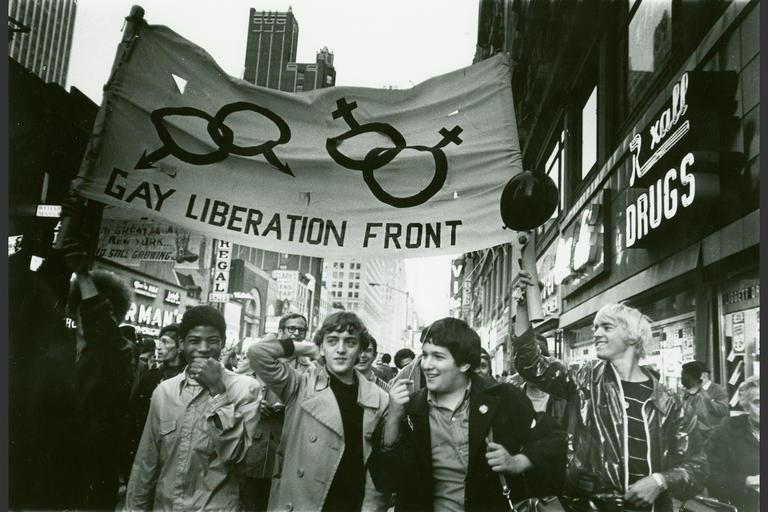
Gay Liberation Front march on Times Square in New York, N.Y., 1969.
Many within the LBGTQ community felt “ostracized from hetero-normative culture,” Layman said. Relationships within the LGBTQ community often concerned a multitude of partners in short periods of time.
Monogamy often wasn’t fully embraced by the gay community in the years leading up to the AIDS crisis. Many LGBTQ activists from the 1960s through the 1970s advocated for sexual revolution and the spirit of this advocacy continued until AIDS made the revolution life threatening.
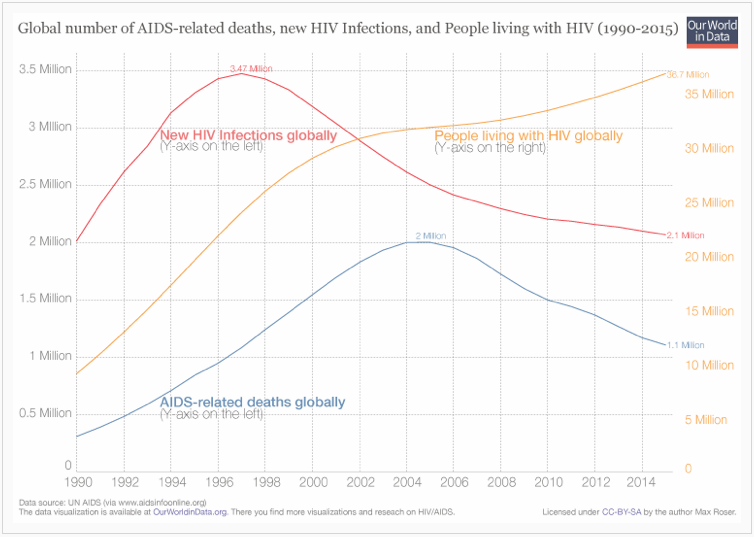
Provided by Our World in Data, data source: UN AIDS
While not inherently negative practices, along with the infrequent use of contraceptives, it created more fertile ground for an infection like AIDs to spread.
Testing wasn’t something many people sought to have done even if they saw early signs of infection in themselves. Through much of the 1980s, through most of the country, there were no anti-discrimination laws protecting LGBTQ people. Having AIDs was sign on your back broadcasting your sexuality to your employer at a new zenith of homophobia and general discomfort toward LGBTQ people.
This further contributed to the infections fatality rate as many refused testing and in turn refused care and treatment. However that lack of treatment was a blessing for some as early treatment was not only often ineffective but also made later successful treatments ineffective as well.
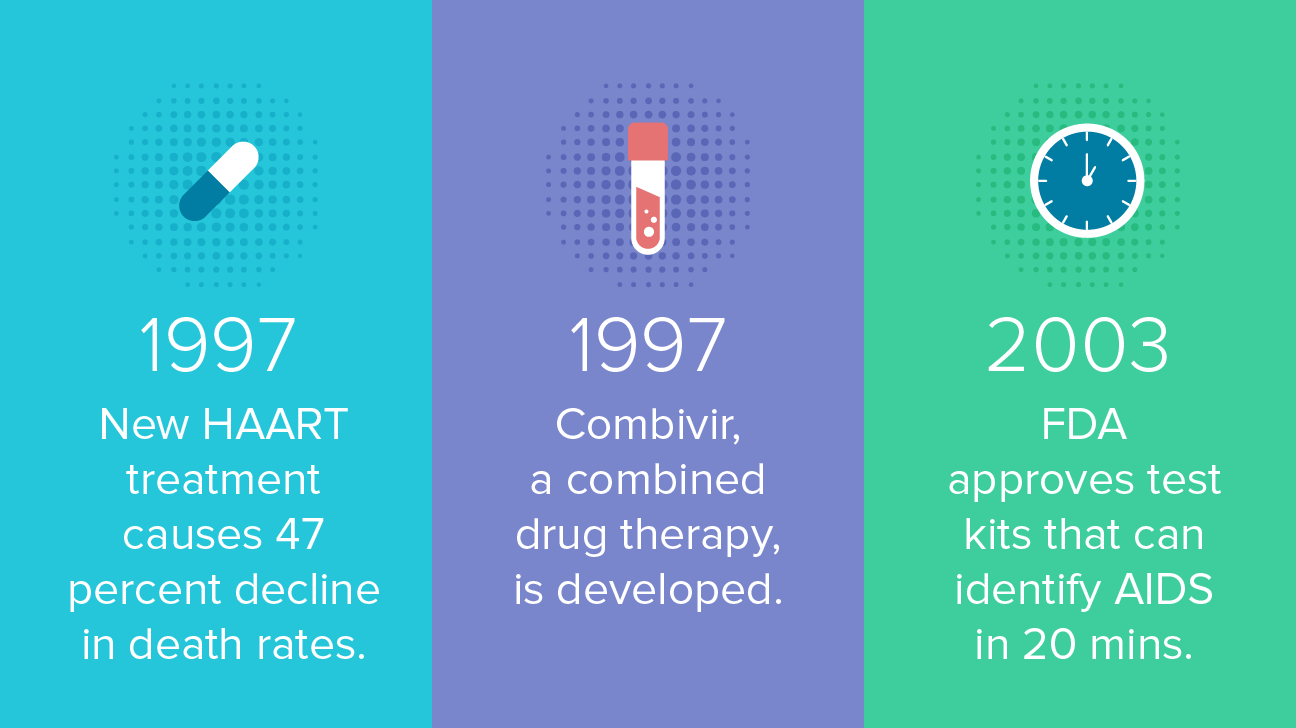
AIDS darkest years were 1993 to 1995, fatality rates were high and many were still becoming infective. However this is also the period where some of the first successful treatments were found.
Infographic provided by Healthline
Finding treatment and being treated successfully “came down to timing, location, luck, as well as who you knew,” Layman said.
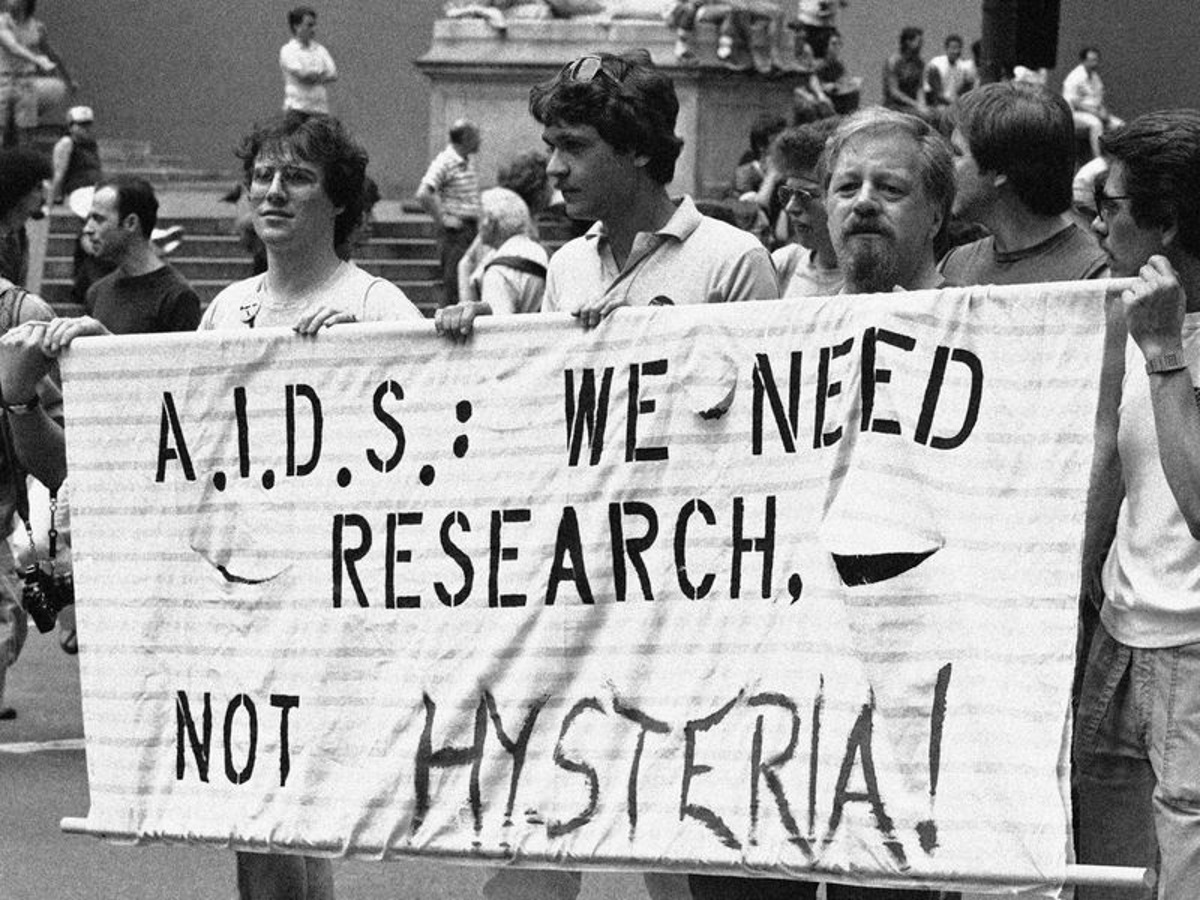
As devastating as AIDS was for the LGBTQ community it also served as its phoenix. AIDS organized the largest gathering of activists for LGBTQ issues by making those issues “life or death” Layman said.
“There would be no gay marriage if it weren’t for AIDS,” Layman said.
AIDS pushed people out of the closet and into activism, fighting for their lives and in many cases solely the lives of others when they knew they had little of theirs left.
As much as the AIDS crisis created a new wave of fear and homophobia it also engendered empathy from those with gay friends, family member, and coworkers who were dying in front of them. It forced people to confront how many people they knew who were not straight but something other than their norm.
AIDS Crisis Timeline
1970s Fake last names are used in LGBTQ spaces out of fear of being exposed to family, friends, and coworkers Police raids of gay bars are still common and names are often published in papers from raids. LGBTQ culture is slowly becoming accepted and increasingly seen as cool
1981 AIDs cases are discovered first in New York and shortly after in San Fransisco.
1982 The issue of AIDs is incredibly regional. No one in Chicago is worried about AIDs in ’82, there is no discussion about AIDs outside of New York and San Fransisco LGBTQ communities.
1983 People paying closer attention to the situation start to become concerned about the AIDs crisis in cities outside of New York and California Younger people at the time were not believed to be vulnerable to AIDs and HIV
1985 Nationwide awareness begins Older people and travelers are the first to become widely concerned There is still no protocol as to how to react to the crisis, how to prevent it, how to deal with it if infected
1988 Dukakis presidential campaign gains support of the LGBTQ community which hates Reagan. Dukakis accepts this support secretly as his campaign does not want it publicly known that the LGBTQ community supports him.
1993-’95 Widely seen as the darkest days of the AIDs crisis Many people within the LGBTQ community become infected Many who are infected unable to receive life sustaining help due to past medications reducing their effectiveness
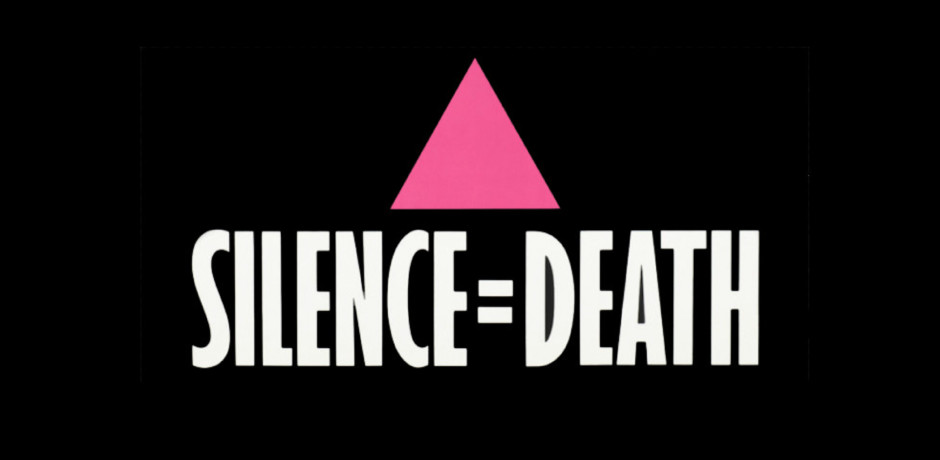
The Silence = Death Project was made up of a six person team in New York City: Avram Finkelstein, Brian Howard, Oliver Johnston, Charles Kreloff, Chris Lione, and Jorge Soccarás
SUMMARY: A story about a Nigerian restaurant serving human meat has
been recently re-wrapped by news sites for readers’ consumption – even
though it is filled with inaccuracies and rotting for more than a year
past its expiration date. But aggregators
and news organizations posted unrelated pictures with it – again. The
result: A case of photographic contextual misuse gone wild, reenergizing the false report. To be clear, no pictures of human meat appear in this post.
Originating about two years ago, this chicanery should have been
detected by news organizations the second time around. The BBC pulled
back its post with an embarrassing admission last month that it “was
incorrect and published without the proper BBC checks.”
Even character Hannibal Lecter would find the following news outlets laughable.
MSN Food & Drink
Lucas Peterson’s story for MSN Food & Drink uses a caption that
misleads readers’ perception with the text, “Restaurant Shut Down for
Serving Human Flesh.” Readers will negotiate the content of the
photograph, fused into a new meaning by headline and caption, as having
some connection with cannibalism. This is an example of Wilson Hicks’ X
factor, which he explains as the “joint impression made on the reader’s
mind by the mediums [picture and words] acting in concert — the X
factor being the reader’s own contribution to the communicative
chemistry.”
What the picture actually represents: Issei Kato photographed this slice of raw whale meat on June 2, 2008 at a restaurant in Taiji, Japan, one of this nation’s oldest whaling villages. It is approximately 8,000 miles from Anambra, Nigeria – the city of the faux cannibal restaurant. Kato’s photo was part of Teruaki Ueno’s Reuters story, “Japan whaling town battles for survival,” published 0n June 13, 2008. So why wouldn’t
editors/producers at MSN rewrite the caption to tell readers that they
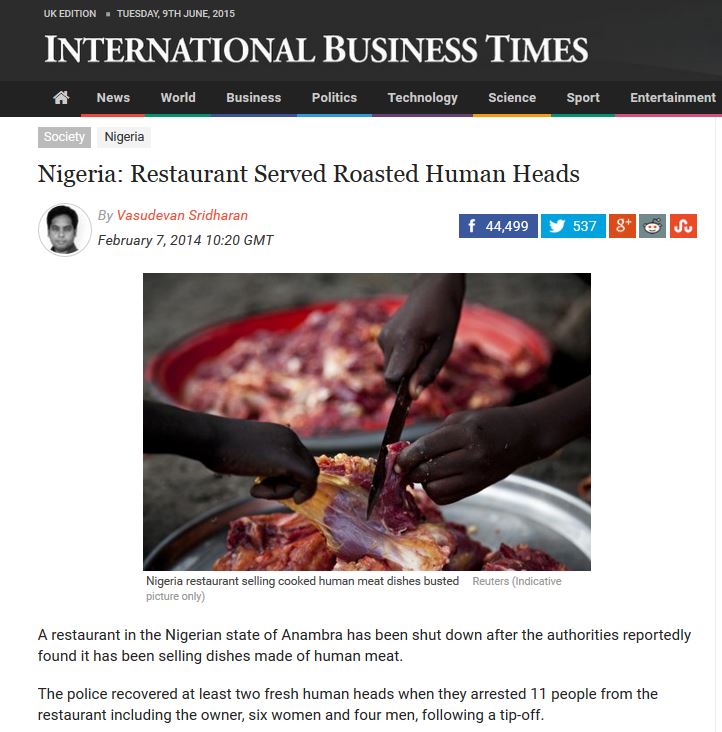
are looking at whale meat? Ponder this as we examine the next example.  Vasudevan Sridharan of the International Times posted this version of the cannibal restaurant story on Feb. 7, 2014. International Business Times: Vasudevan Sridharan’s
story is the 2014 version of this flawed tale. With the explicit
caption below the Reuters photo stating, “Nigeria restaurant selling
cooked human meat dishes busted,” readers may assume that this
picture represents the evidence. Why? Because authorities may distribute
certain images to media channels, depending on the nature of a case. Photojournalist Adriane Ohanesian and the
Reuters credit add credibility to the illustration of this travesty –
just the same as Getty Images, the Associated Press or AFP. These are
strong brands representing outstanding photojournalists. The phrase
following the caption, “indicative picture only,” is useless for
clarity. Pictures are “indicative” of exponential meanings – according
to their accompanying text. Readers may believe this is one of the least
graphic images, and that investigators are withholding the photos of
the “two fresh human heads.” What the picture actually represents: Ohanesian photographed these children as they cut meat at their home in Pibor, South Sundan on June 23, 2012. The photo was part of a series titled, “Birthing a Nation – South Sudan’s first year.” This story by Alexander Dziadosz,
in July 2012, chronicled the challenges of South Sudan’s fledgling new
government, against a backdrop of corruption, economic hardships and the
possibility of collapse. Dozens of news sites have disgraced Ohanesian’s documentary photojournalism by misappropriating this image as click bait.Let’s ask the question again: Why wouldn’t editors/producers at International Business Times and other sites explain to readers that these children aren’t cutting human meat in this caption?
This image of a prepared dish accompanies the Nollywood Freaks’ post about the fictitious “cannibal” restaurant in Nigeria, published on May 16, 2015.
Nollywood Freaks: No one’s byline is indicated in the Nollywood
Freaks’ post, but it begins with a first-person reference that the
author “reported” this story earlier. This presentation shows a prepared
dish without a caption or credit. The fusion of this photo with
the headline and story leads to a new meaning related to cannibalism.
Readers may assume that it is a menu illustration of human meat, given
that authorities may disseminate certain evidentiary photos. Nollywood Freaks’ tout, “The JUICIEST Celebrity Gossip,” certainly adds a dash of distaste.
What the picture actually represents: To the contrary, this dish of
goat meat and beef tripe is part of a meat pepper soup recipe by Ronke Edoho, creative administrator of her sprightly blog, 9jafoodie.com. It has nothing to do with cannibalism. The photo originally appeared for a 2011 recipe post on her earlier blog,
Modern African Cuisine. More than 20 news outlets or posters worldwide
have published this soup photo without permission, according to Ronke.
This contextual misuse of her photo may also constitute a systemic
violation of its copyright. These potentially unauthorized users cropped
out the embedded credit, “9jafoodie.com,” at the top left corner of the image. Two final questions: Why wouldn’t the editors/producers at Nollywood
Freaks rewrite the caption to identify this as goat meat and beef tripe
instead of human meat? Why would they publish it without Ronke’s Edoho’s permission?
TAKEAWAY: These three examples of contextual misrepresentation
involve story-specific photos that take click baiting to a new low. Used
within the original parameters of their content (and with
authorization), they can be integrated with a wide range of topics. The
irresponsible uses of these images would be distressing to the subjects
and communities they portray in Japan, South Sudan and Nigeria, let
alone the photographers and writers. What’s better than Tums for this nausea? Removing the photos from these bogus stories. ——————————————-








 The Albany Observer