
More than 30 years since the AIDS crisis gained national recognition in 1985, the landscape for those infected with HIV/ AIDS looks dramatically different than it did in its darkest hours.
In large part thanks to activists, like Daniel Layman, but also thanks to those in the medical field who worked tirelessly to develop drug cocktails and other medicines which sustained would be AIDS victims, turning them into survivors.
As important as the medical science itself are the resource centers which have allowed patients to safely and privately procure the help they need in a less public and more comfortable way than the experience they might have going elsewhere.
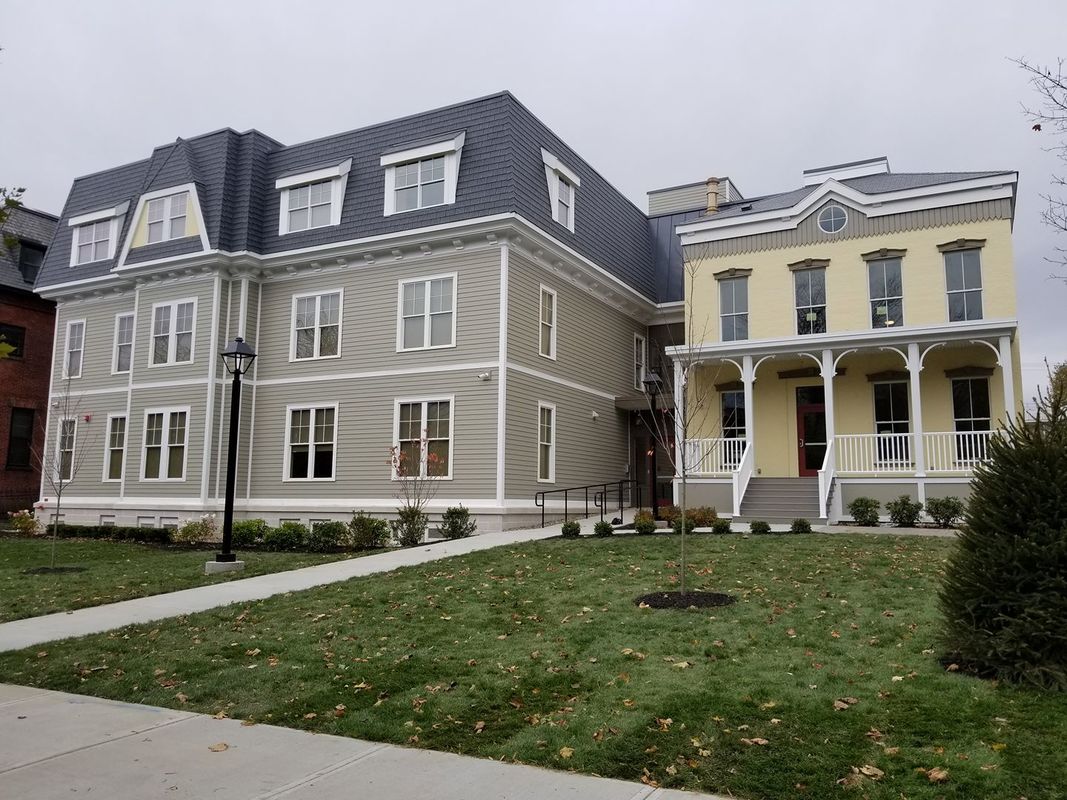
Resource centers such as the Albany Damien Center. Formed in 1988 as a part of a Capital District Episcopal Churches ministry, along with others in the capital region hoping to contribute, the Damien Center has long history with the capital region community with a focus on the experience of those who seek the help they need.
Though started by religious groups in the capital region the Damien Center itself is secular and inviting of any and all religions.
The Damien Center goes beyond simply providing people with the resources they need and proper testing, they strive “to enhance the lives of people affected by HIV/ AIDS in an affirming environment and to reduce new infections in the communities we serve,” as can be read in their mission statement.

One of the Damien Center’s primary goals, and the goals of many resource centers like it, is the anonymity of the people who come to them for their help. While much progress has been made in the last 30 years, both in the LGBTQ community and in medical sciences and life expectancy for HIV/ AIDS patients, discrimination is still a concern for those seeking help for the infection.
Not everyone is afraid or reluctant to talk about their experiences with it, but others may be and the Damien Center respects this to the upmost.
The resource center offers a variety of different services for those living with HIV, including some that may at face value seem simplistic such as their drop-in living room. A space curated to present anyone affected by HIV with a communal space where they can engage with others in similar situations or with programs designed to provide counseling, education on the infection, along with different forms of therapy.

The Damien Center Community Relations Manager, Samuel C. Roods, mentioned over the phone that one of the programs the Damien Center is most excited about is their “U=U” or “I am U” campaign. “U=U” which stands for undetectable equals untranslatable referee to an advancement in HIV medicines which has allowed for those who are HIV+ to be undetectable as such, though it does not cure or remove the virus.
This being undetectable helps people living with HIV to live less effected lives as being undetectable means that HIV will no longer harm their immune system or be transmittable to their partners after six months of being undetectable.
It is seen as a major step forward for those living with HIV and is a program the Damien Center is very anxious to promote.

The Damien Center is focussed on promoting identities that people generally see with stigma, those living with HIV/ AIDS of course included, but also LGBTQ youth of color as well.
“Mpower” is one such program in partnership with ROCKS, a local gay bar, which brings young gay, bi, and trans youth of color into accepting, sex positive spaces, with the goal of HIV education and prevention, while also offering monthly social events which could potentially offer aid in other ways to LGBTQ youth and better bring them together.
Roods also mentioned that a large number of the people the Damien Center works with are or have been at one time homeless. Many living with HIV find themselves in poor financial situations and without a home.
In a recent move to a new building in 2017, the Damien Center procured enough room to house “22 persons with HIV which have survived chronic homelessness,” as seen on their site. These apartments are attached to the rest of the facilities and provide onsite support to the people they house.
 The Albany Observer